Neurodiversity in sport: How Aviva Stadium and other venues are using sensory regulation to make matchdays accessible for all
Beyond the roar: Why belonging is the real accessibility test for sports stadiums
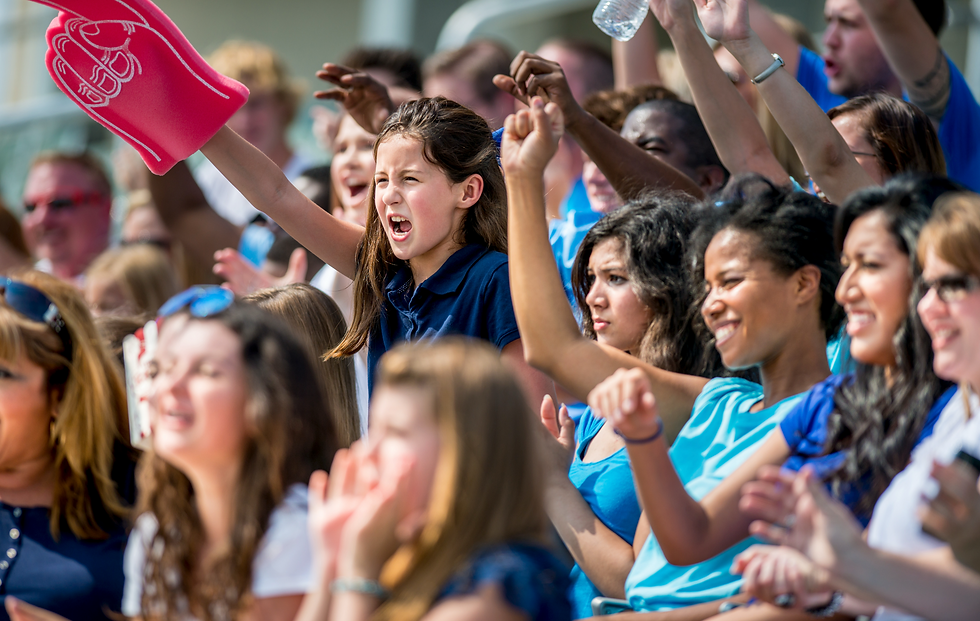
Sport is supposed to be about connection — cheering alongside strangers who feel like family for ninety minutes, or holding your breath with a crowd of thousands on championship point. But for neurodivergent fans, that same atmosphere can be the very thing that keeps them out. The noise, the lights, the crowds, the unpredictability that makes live sport electric for some can make it overwhelming, even unbearable, for others.
For years, the choice for many neurodivergent fans and families has been stark: miss out entirely, or push through significant discomfort just to be part of the occasion. Increasingly, venues are asking a different question — how do we make sure no fan has to choose?
From signage to sensory solutions like Cubbie
As awareness of the needs of the neurodivergent population gathers pace — with an increasing number of people being diagnosed each year — accessibility teams are shifting their focus from ramps and signage towards sensory inclusion. Instead of being a niche add-on, major sporting venues are realising they need to cater to a wider audience; one with different accessibility needs. A fan who can get to their seat but can't cope with the sensory environment once they're there hasn't really been included.
More and more stadiums are introducing sensory provision, as venues recognise that accessibility means catering to every kind of fan, not just those with physical needs.
Christine Flintoft-Smith, Head of Accreditation at the National Autistic Society, says sensory provision provides “a calming and quiet environment that can help some autistic people attend events that they may find overwhelming because they’re unfamiliar, loud and busy.”
For many neurodivergent fans, matchdays have historically meant choosing between missing out entirely or pushing through significant discomfort just to be part of the occasion. Sensory provision at stadiums and venues helps ensure that everyone can share in the camaraderie that sport fosters; supporting their team or player alongside fellow fans in a way that feels safe and comfortable.
Cubbie offers more than just a platform for live sport
Cubbie is a fully-supported and optimised sensory-regulation platform. It combines the physical Cubbie environment, individualised sensory programmes, staff training, usage data, occupational therapy expertise, and ongoing optimisation to help deliver the right support, at the right time, at the right level of need.
Cubbie gives individuals a way to manage sensory overload triggered by the sights and sounds of a live game, meaning fans can be reset and back to the game within 15 minutes. By using occupational therapy-designed programmes, Cubbie can adapt to an individual’s unique sensory needs, creating an experience that’s just for them.
Cubbie’s design means fans don’t have to segregate in a special “sensory viewing room” away from the other fans. Many of these rooms need to be booked in advance and only seat a handful people. With Cubbie, fans can regulate before, during and after the game, meaning they don’t experience any potential stigma associated with being in a separate room for the duration.
Game, set, match for bringing Cubbie courtside
When a major London tennis tournament reviewed its accessibility provision for tennis fans this year, it naturally turned to Cubbie for its sensory needs:
"We've been looking for the right solution for the sensory space for a couple of years," explained Tristan Wesley, senior guest experience manager at the club. Cubbie was in place for the tournament's full two-week duration, giving fans a sensory regulation platform for the first time in the event's history.
A New York Times reporter was sent to see the impact of Cubbie at the tournament for themselves. What they witnessed was the human side of sensory regulation, captured in a single moment: a young boy spotting a large turtle on the Cubbie screen and dashing straight in for a closer look, momentarily lost in a moment of pure sensory calm, worlds away from the noise and crowds outside.
Over the course of the fortnight, Cubbie helped over 500 tennis fans who were feeling dysregulated and overwhelmed by the noise, the heat, the crowds. Read about how Cubbie made a difference for hundreds of tennis fans here.
Wesley was delighted with the success of Cubbie: “The feedback from the staff has been really positive. It’s one of our biggest wins,” he said.
Aviva Stadium: Ireland's first sensory hub at a major sports venue
Cubbie's presence at sports venues isn't a one-off. Cubbie has been helping fans regulate at Aviva Stadium in Dublin since January 2020, when the venue launched its sensory hub — a first for a major Irish sports venue (Irish Rugby).
Speaking at the launch, Lisa Bergin, Avivia Sponsorship Manager, said: “Aviva are so proud to launch this initiative. The stadium is a world class venue, and we believe it should be open and inclusive to everyone, no matter what their needs. As a company, Aviva strive to promote a culture of diversity and inclusivity and we are delighted to work with everyone at the stadium to make this project come to life.”
Five years on, Aviva Stadium's sensory hub stands as an example of what long-term commitment to sensory inclusion looks like in practice, not just for a single tournament but as a permanent part of the matchday experience.
A global shift: Sensory inclusion reaches the World Cup
Wimbledon and Aviva Stadium aren't isolated examples — they're part of a much bigger shift. This year's FIFA World Cup became the first tournament in the event's history to be recognised as wholly sensory-inclusive, with specially-equipped sensory rooms across all 16 host stadiums in the United States, Canada and Mexico (FIFA). When sensory inclusion becomes standard at the biggest sporting event on the planet, it signals that the conversation has moved from whether venues should provide this kind of support to how quickly others will follow.
Why sensory regulation matters for inclusion in sport
Preventing sensory overload: Sudden cheering, flashing scoreboards, fireworks, air horns and dense crowds can overwhelm fans and trigger intense anxiety.
Promoting genuine inclusion: Removing this barrier means families and friend groups can attend together, united by the same match, rather than some members opting out.
Providing a safe retreat: A calming space lets fans decompress and return to the game on their own terms, rather than leaving the venue altogether.
The real scoreboard: What sensory spaces say about a venue
A sensory space is a visible signal of a venue's understanding of neurodiversity — and that signal matters beyond the fans who use it directly. It builds awareness and empathy across the wider fan base, and venues that work alongside local disability groups and advocacy organisations often find it strengthens community relationships in ways that extend well past matchday. More fans made to feel welcome means more goodwill — and more goodwill means a broader, more loyal fanbase.
Cubbie proves that accessibility at sporting events isn't just about ramps and signage; it's also about the invisible, sensory side of inclusion. Beyond the roar of the crowd, there's a quieter kind of progress happening — one that ensures no fan is left on the outside looking in.
Ready to make every seat in your venue truly inclusive?
Whether you're reviewing your accessibility strategy for the first time or looking to go beyond ramps and signage, our team can show you how a fully-supported sensory-regulation platform fits into your matchday operations — with staff training, occupational therapy expertise, and usage data included from day one. Get in touch with our team.
